
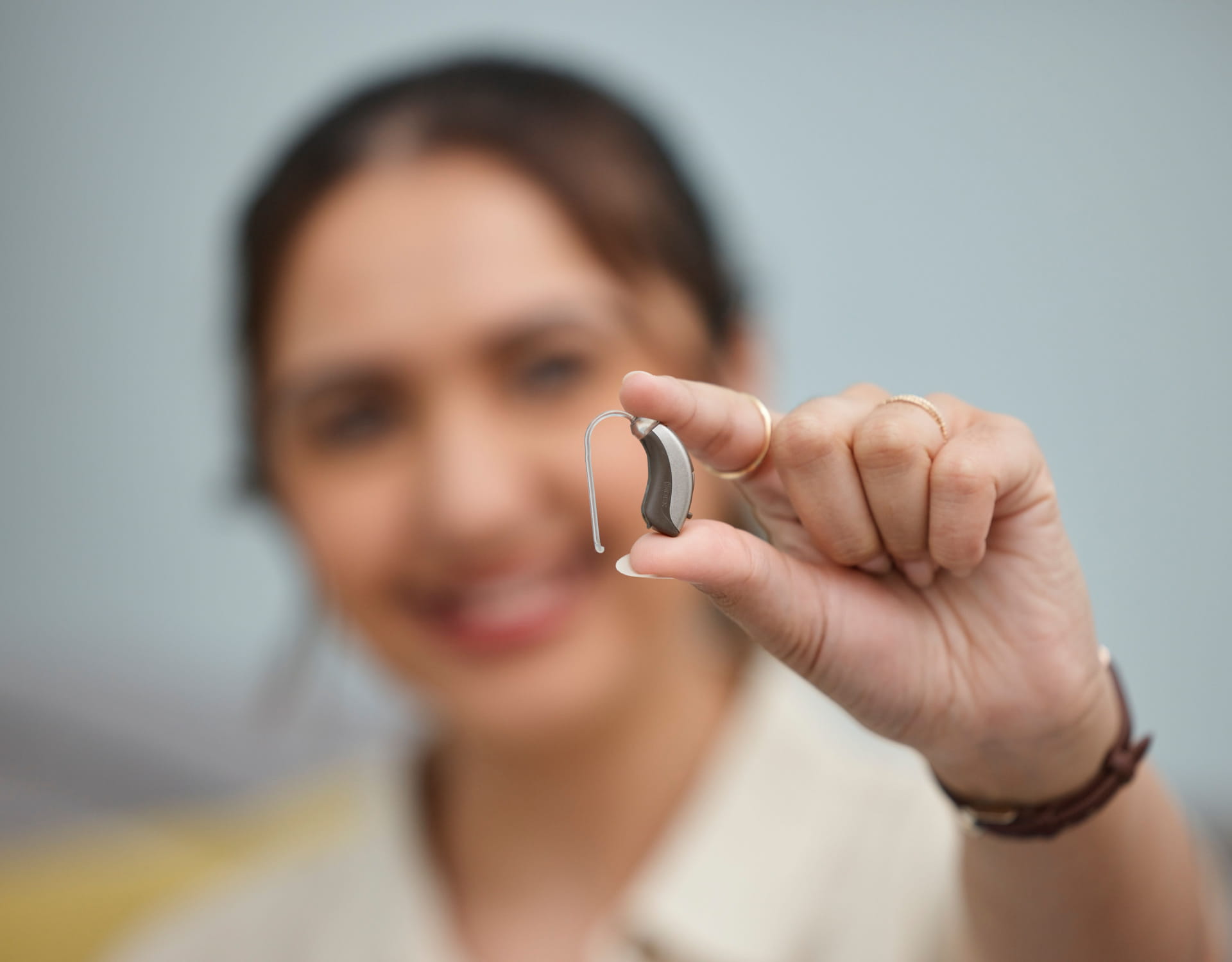
Hearing connects us to the people we love, the sounds of nature, and the vibrant life around us. On the Isle of Man, where community and conversation are at the heart of daily life, experiencing hearing loss can feel isolating. However, treating hearing loss is highly effective and can restore your confidence and quality of life.
Hearing loss affects a significant portion of the population. As we age or experience exposure to loud noises, the delicate structures within our ears can deteriorate. Left unmanaged, hearing loss can lead to communication difficulties and cognitive strain.
Hearing aids are sophisticated medical devices designed to amplify sound and improve speech comprehension. With recent advancements in technology, modern hearing aids are discreet, powerful, and highly customisable. If you are exploring your options with Island Hearing, understanding the different types of hearing aids is a vital first step in your journey to better hearing.
Behind-The-Ear (BTE) Hearing Aids
Behind-The-Ear (BTE) hearing aids are one of the most versatile and common types available. As the name suggests, the main body of the hearing aid rests comfortably behind your ear. A clear tube connects the device to a custom earpiece or dome that sits inside the ear canal.
Pros and cons of BTE hearing aids:
- Pro: They offer powerful amplification, making them suitable for nearly all levels of hearing loss.
- Pro: The larger size allows for bigger batteries and easier handling, which is excellent for those with dexterity issues.
- Con: They are more visible than other styles of hearing aid
Ideal candidates:
BTE devices are suitable for those with mild to profound hearing loss.
Receiver-In-Canal (RIC) / Receiver-At-Ear (RITE) Hearing Aids
Receiver-In-Canal (RIC) or Receiver-At-Ear (RITE) models are similar to BTE devices, but with a key structural difference. Instead of housing the speaker (receiver) in the main casing behind the ear, the speaker rests directly inside the ear canal. A thin, nearly invisible electrical wire connects the speaker to the device behind the ear.
Pros and cons of RIC/RITE hearing aids:
- Pro: Because the speaker is in the ear canal, sound is often perceived as clearer and more natural.
- Pro: The casing behind the ear is typically smaller and more discreet than a standard BTE.
Ideal candidates:
RIC and RITE models are highly popular for individuals with mild to severe hearing loss who prioritise a balance of cosmetic appeal, sound quality and connectivity.
In-The-Ear (ITE) Hearing Aids
In-The-Ear (ITE) hearing aids are custom-made to fit perfectly within the bowl of your outer ear. All the electronic components are housed within a single plastic shell. There are no tubes or wires sitting behind the ear.
Pros and cons of ITE hearing aids:
- Pro: Their one-piece design makes them very easy to wear and less likely to conflict with glasses.
- Pro: They have enough space to include features like volume controls and directional microphones.
- Con: They are highly visible within the ear bowl.
Ideal candidates:
ITE models are a great option for people with mild to severe hearing loss who want a device that is easy to handle but do not mind the device being visible.
Completely-In-Canal (CIC) and Invisible-In-Canal (IIC) Hearing Aids
For those seeking the utmost discretion, Completely-In-Canal (CIC) and Invisible-In-Canal (IIC) hearing aids are the smallest custom options available. These devices are moulded to fit deeply inside the ear canal, making them virtually invisible to others.
Pros and cons of CIC and IIC hearing aids:
- Pro: They offer excellent cosmetic appeal due to their tiny size.
- Pro: Their deep placement reduces wind noise and allows you to use telephones naturally.
- Con: The small size means smaller batteries, leading to shorter battery life.
- Con: They lack the space for advanced features and can struggle with background noise.
Ideal candidates:
These discreet options are best for individuals with mild to moderate hearing loss who have good manual dexterity and prioritize aesthetics. This type of aid is unsuitable for more severe losses
Comparing Hearing Aid Types
When evaluating your options at Island Hearing, it helps to compare the devices across a few key categories.
Comfort and aesthetics
If discretion is your primary goal, IIC or CIC models are practically invisible. However, many users find the open-fit feel of a RIC device to be the most physically comfortable, as it prevents the ear canal from feeling “plugged.”
Battery life and maintenance
Almost all of our offered hearing aids are rechargeable, with some being battery operated where needed/wanted, eliminating the need to handle small batteries almost entirely. All devices require regular cleaning to prevent wax blockages and keep in good working order.
Consulting with a professional
The most important step is booking a comprehensive hearing assessment. At Island Hearing, our audiologists will evaluate your specific type and degree of hearing loss, ensuring that any device recommended has the appropriate power and programming capabilities.
Considering lifestyle and needs
Think about your daily environments. If you frequently attend noisy social gatherings or community events across the Isle of Man, a device with directional microphones and background noise reduction will be highly beneficial. If you live a quieter life, a simpler model may suffice.
Budget
Hearing aids are an investment in your health and wellbeing. Prices vary significantly based on the technology level and style. Our team can help you navigate the costs, find an option that comfortably fits your budget.
Taking the Next Step Towards Better Hearing
Living with hearing loss does not have to limit your experiences. With the right support and the correct device, you can reconnect with the conversations and sounds that matter most. If you are ready to explore your options, contact Island Hearing today to schedule a consultation with our local Isle of Man experts. We are here to support you every step of the way.