
We all know that our bodies change as we get older. You might find that your joints ache a bit more after a walk around the Manx countryside, or that you need reading glasses to enjoy your morning newspaper. But what about your hearing? For many residents on the Isle of Man, a gradual reduction in hearing is simply accepted as a normal part of ageing.
However, ignoring a change in your hearing can have consequences that extend far beyond missing the odd word in a conversation. Medical research is increasingly pointing to a strong connection between how well we hear and how well our brains function. When left unmanaged, hearing difficulties can significantly impact your mental sharpness, memory, and overall brain health.
This post examines the relationship between your ears and your brain. We will explain exactly how hearing loss and cognitive decline are connected, explore the science behind this link, and provide actionable advice on how to protect your auditory and mental health for years to come.
Understanding Hearing Loss
Hearing loss is incredibly common, affecting millions of people worldwide. It typically occurs gradually, meaning you might not even notice it at first. Generally, it falls into three main categories:
- Sensorineural hearing loss: This is the most common type, caused by damage to the inner ear (cochlea) or the auditory nerve. It is often a result of natural ageing or prolonged exposure to loud noises.
- Conductive hearing loss: This happens when sound cannot easily pass through the outer and middle ear. Common culprits include fluid build-up, earwax impaction, or a punctured eardrum.
- Mixed hearing loss: As the name suggests, this is a combination of both sensorineural and conductive hearing loss.
Many people first notice a problem when they struggle to follow conversations in noisy environments, such as a busy pub or a family gathering. You might also find yourself frequently asking others to repeat themselves or turning the television volume up higher than usual.
Understanding Cognitive Decline
Cognitive decline refers to a gradual decrease in cognitive abilities, such as memory, thinking skills, and problem-solving. While mild changes in memory are a normal part of getting older, significant decline can interfere with your daily life and independence.
Symptoms often start small. You might occasionally forget appointments or struggle to find the right word during a conversation. Over time, these symptoms can progress into more severe conditions, such as dementia or Alzheimer’s disease. The impact on daily life can be profound, affecting your ability to manage finances, navigate familiar places, and maintain relationships with loved ones.
Exploring the Connection
The idea that our ears and our brains are deeply connected is not just a theory. Extensive research confirms that individuals with untreated hearing loss have a significantly higher risk of experiencing cognitive decline.
A landmark study conducted by experts at Johns Hopkins University tracked the health of older adults over several years. The findings were striking: patients with mild hearing loss were twice as likely to develop dementia compared to those with normal hearing. For those with severe hearing loss, the risk was five times higher.
Our advice, and the advice of medical professionals worldwide, is to view hearing health as an integral part of your overall neurological health. But why exactly does this link exist?
Potential Mechanisms Behind the Link
Scientists have identified three primary theories that explain why struggling to hear can lead to a decline in brain function:
1. Cognitive Load
Your brain is constantly working to process the sounds around you. When your hearing is impaired, your brain has to work incredibly hard to decode garbled or faint signals. This constant strain reroutes essential mental energy away from other important tasks, like memory and comprehension. Over time, this overwhelming “cognitive load” can exhaust the brain and accelerate decline.
2. Brain Atrophy
The brain operates on a “use it or lose it” principle. Parts of the brain that process sound and speech rely on constant stimulation to remain healthy. When hearing loss reduces the amount of auditory input reaching the brain, these specific regions can begin to shrink or atrophy faster than normal.
3. Social Isolation
Struggling to follow conversations can be frustrating and embarrassing. As a result, many people with untreated hearing issues begin to withdraw from social situations. They might skip family dinners, stop attending community events, or avoid chatting with neighbours. Social isolation is a known, major risk factor for dementia. Without regular social interaction and mental stimulation, cognitive abilities can deteriorate rapidly.
Early Detection and Intervention
The most important takeaway from this research is that you can take action. Hearing loss is highly treatable, and managing it early is one of the most effective ways to support your cognitive health.
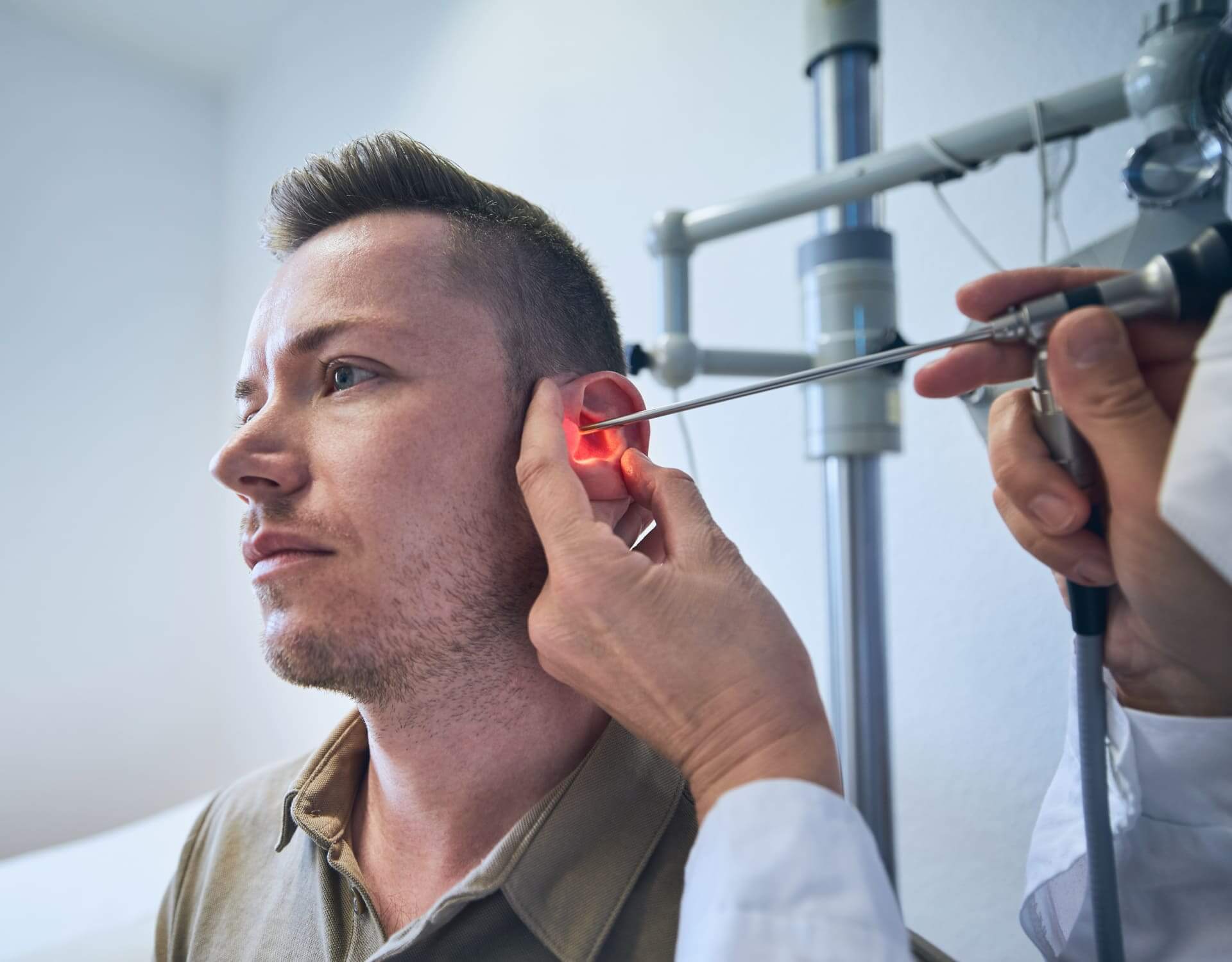
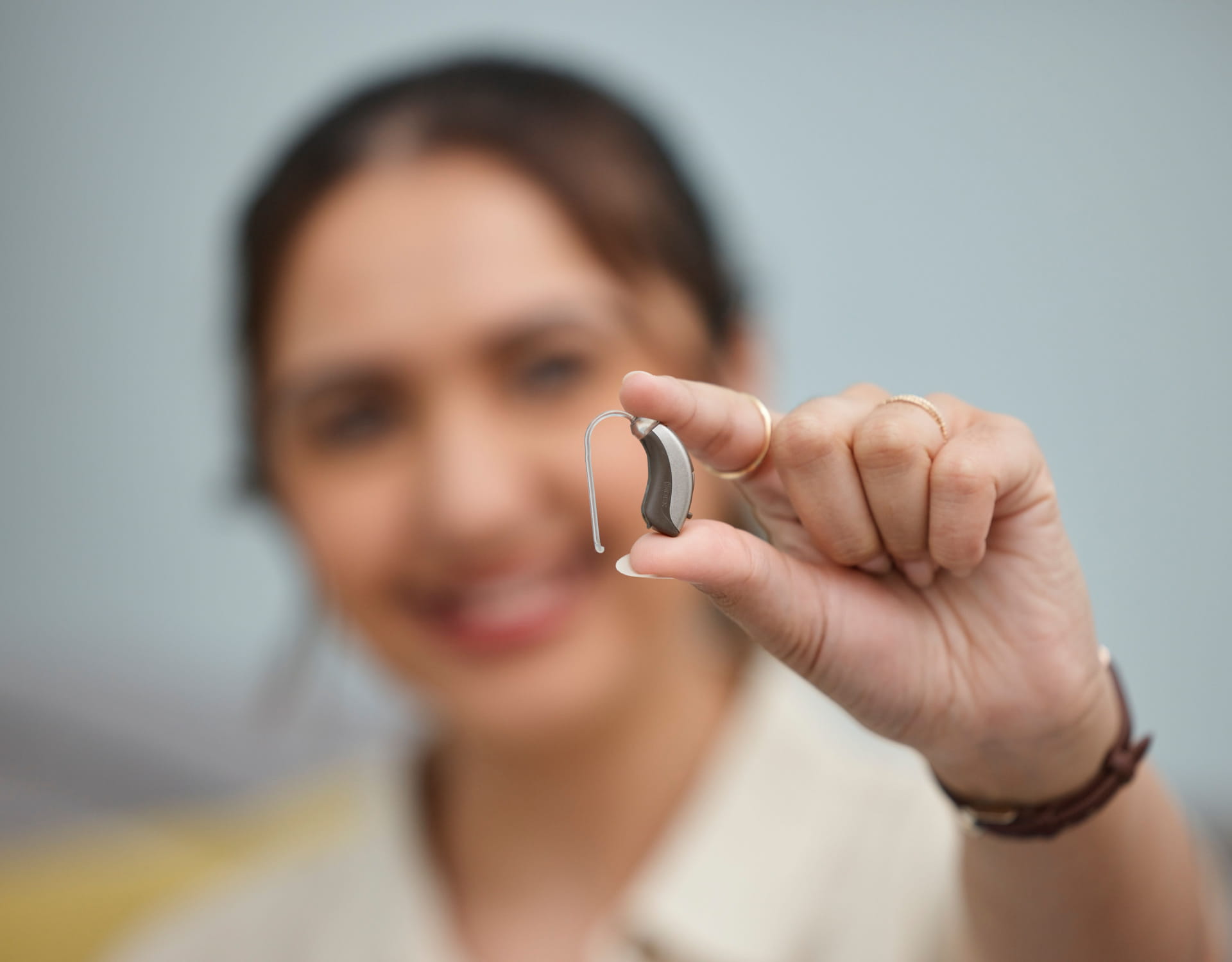
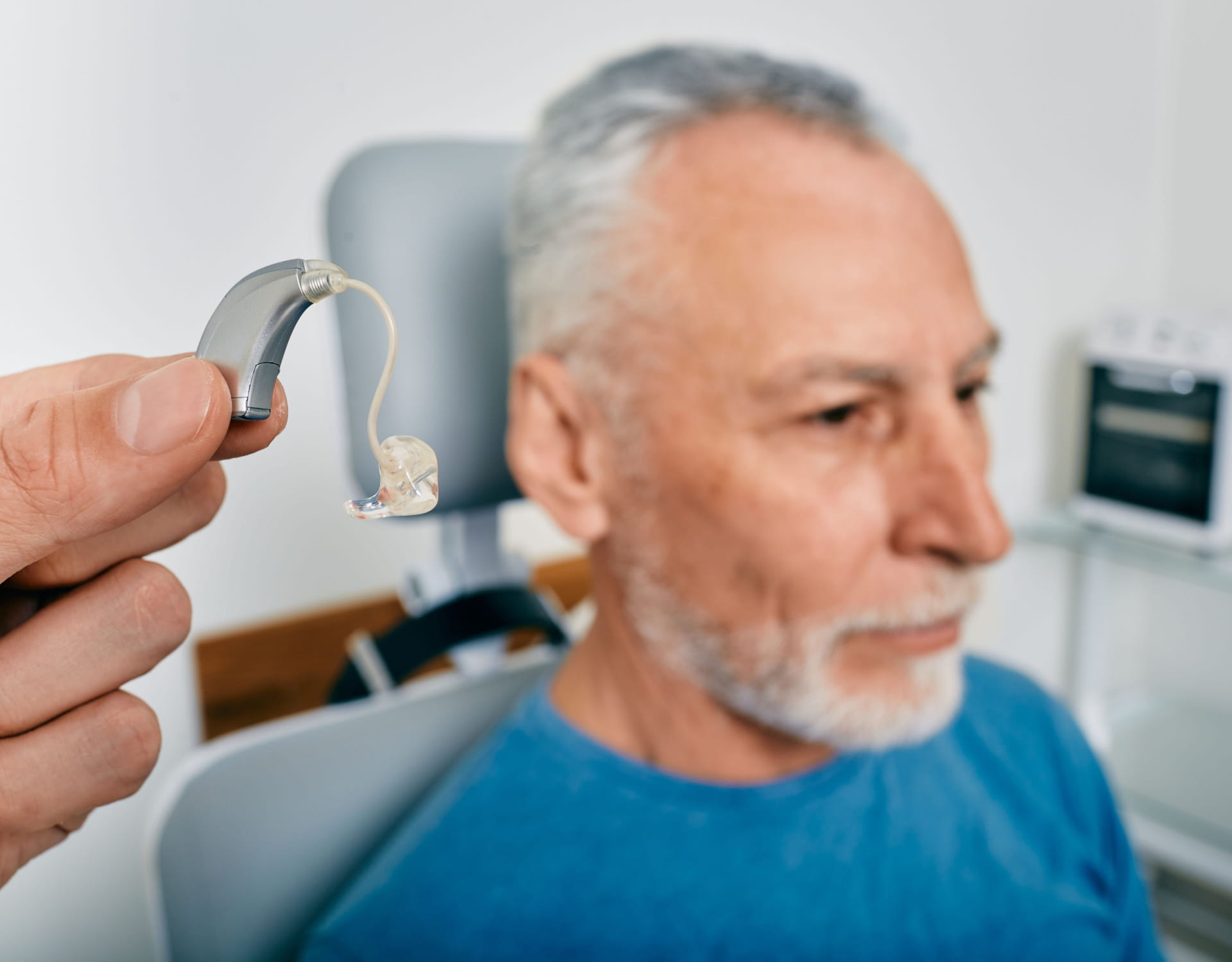
Regular hearing assessments are vital. Just as you visit the optician for your eyes or the dentist for your teeth, you should routinely check your hearing. If an issue is detected, modern hearing aids offer a fantastic solution. Today’s devices are discreet, comfortable, and highly effective at restoring auditory input, thereby reducing cognitive load and keeping you socially engaged.
At Island Hearing, we provide comprehensive hearing tests for all Manx residents, ensuring that any changes in your hearing are caught and managed as early as possible.
Prevention Strategies
Taking proactive steps can help you maintain both your hearing and your cognitive health. Here is some practical advice to keep in mind:
- Protect your ears: If you work in a noisy environment or enjoy loud hobbies like motorsports, always wear ear protection.
- Stay socially active: Keep your brain engaged by chatting with friends, joining local clubs, and participating in community events on the island.
- Maintain a healthy lifestyle: Regular cardiovascular exercise and a balanced diet support healthy blood flow to both your ears and your brain.
- Book a hearing test: Do not wait for a problem to become severe. Schedule a routine check-up to establish a baseline for your hearing health.
Protect Your Hearing, Preserve Your Mind
Your hearing plays a crucial role in keeping your brain active, engaged, and healthy. By understanding the link between auditory health and cognitive decline, you are already taking the first step towards a healthier future. Ignoring changes in your hearing is simply not worth the risk to your mental sharpness.
If you or a loved one have noticed changes in your hearing, now is the time to act. Contact the team at Island Hearing today to book a comprehensive hearing assessment. Let us help you protect your hearing so you can continue to enjoy everything life on the Isle of Man has to offer.