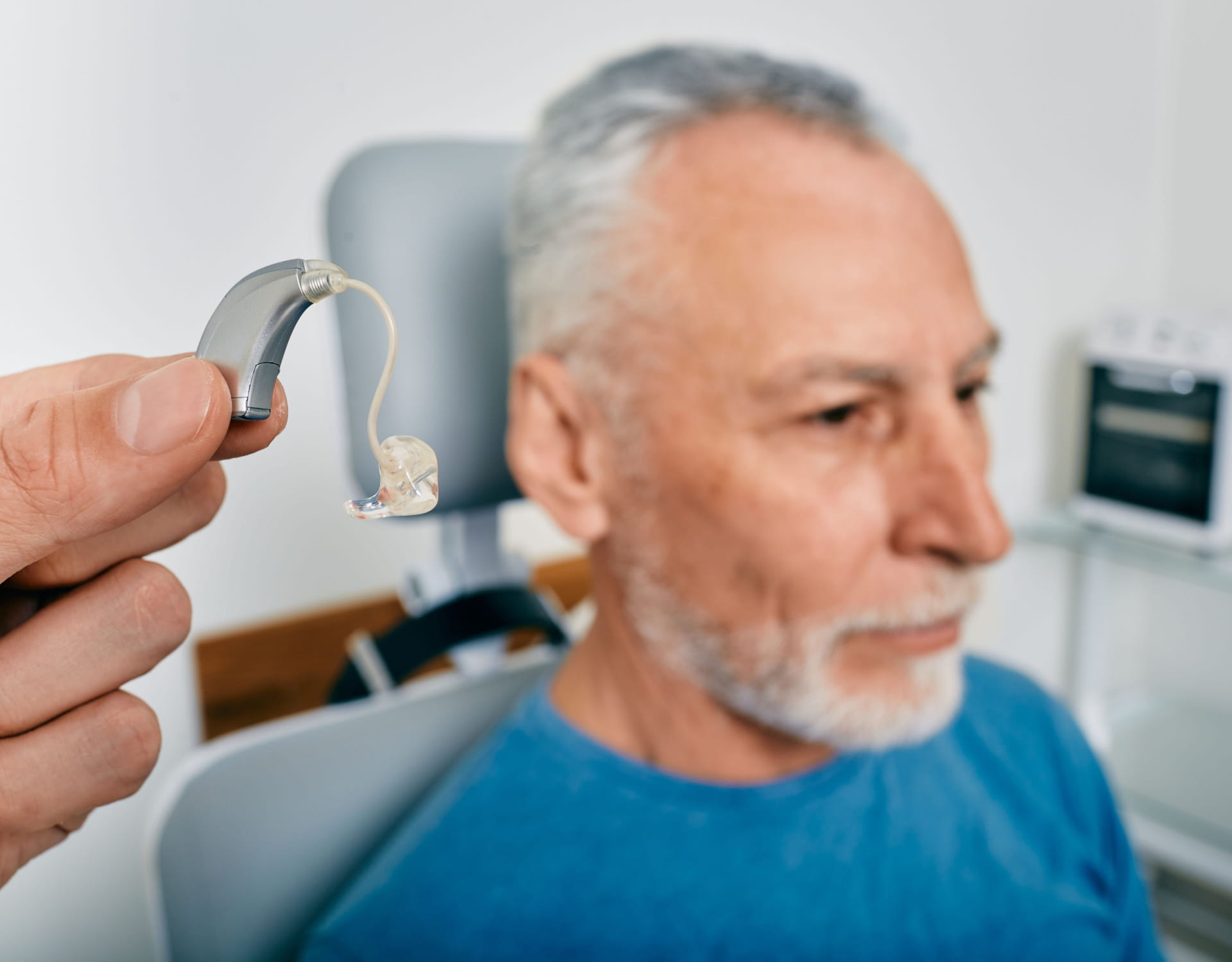

Investing in hearing aids is a significant step towards better hearing and a higher quality of life. For our patients across the Isle of Man, these small devices provide an essential connection to friends, family, and the beautiful sounds of our island. However, because they sit inside or behind the ear all day, they are constantly exposed to moisture, earwax, and dust.
Without proper care, this exposure can lead to reduced sound quality, feedback whistling, or even complete device failure. Regular maintenance is the key to ensuring your hearing aids continue to function exactly as they should. Taking a few minutes each day to care for your devices will save you time and money on avoidable repairs.
Our advice, and the advice of leading audiologists, is to establish a strict cleaning routine. Clinical studies and manufacturer data consistently show that well-maintained hearing aids last significantly longer and provide much clearer sound. This guide from Island Hearing will walk you through exactly how to clean, store, and troubleshoot your devices.
Daily Cleaning Rituals
Establishing a daily cleaning habit is essential for long-term device performance. Habits rely on consistency, and taking just two minutes before bed can radically improve your hearing aid’s lifespan.
Follow these steps every evening:
- Wipe them down: Use a soft, dry cloth or a dedicated hearing aid cleaning wipe to gently clean the entire outer shell of the device. Never use water, alcohol, or household cleaning fluids, as these will damage the delicate internal electronics.
- Brush the microphone ports: Using the small, soft brush provided by your audiologist, gently sweep away any dust or debris from the microphone openings. Hold the hearing aid facing downwards so that any loose particles fall out rather than being pushed further inside.
- Check for earwax: Inspect the part of the hearing aid that goes into your ear canal. If you notice any wax buildup, use your cleaning fluids or cleaning tools to carefully scoop it away.
Weekly Deep Cleaning
While daily wipes remove surface debris, a weekly deep clean ensures that no hidden blockages are affecting your sound quality.
To perform a thorough weekly clean, you should gather your cleaning tools and sit at a well-lit table. Place a soft towel down first so your hearing aids will not break if you accidentally drop them.
- Replace wax guards: For in-the-ear (ITE) or receiver-in-canal (RIC) models, inspect the small white wax filter. If it looks blocked or discoloured, replace it using the specific changing tool provided with your filters.
Battery Care and Maintenance
Hearing aids require a steady power supply to process sound effectively. Whether you use disposable or rechargeable models, proper battery care is vital.
For disposable batteries, keep the battery doors open at night. This simple action turns the device off, saving battery life, and allows any trapped moisture to evaporate. Store your spare batteries at room temperature. Extreme heat or cold will drain their power prematurely. Keep an eye out for a low-battery warning beep, and always carry a spare set with you when travelling around the island.
If you use rechargeable hearing aids, place them in their charging dock every night. Ensure the charging contacts on both the hearing aids and the charger are wiped clean of dust, as dirty contacts will prevent the devices from charging fully.
Troubleshooting Common Issues
Even with excellent care, you might occasionally encounter minor issues. Before assuming the device is broken, try these quick troubleshooting steps.
- No sound at all: First, check the battery. Replace the disposable battery or ensure the rechargeable device is fully charged. Next, inspect the wax guard and the ear mould tubing for any severe blockages. Ensure that the contacts in the recharging case and the outside of the hearing aid are clean.
If the aid is a rechargeable model, it may have been accidently put into ‘transit’ mode by holding the button down too long. In order to solve this, hold the bottom part of the button down for a full 20 seconds and pop back into the charger.
- Whistling or feedback: This usually happens if the hearing aid is not inserted correctly into your ear. Take it out and try reinserting it. Whistling can also occur if you have a significant build-up of earwax in your ear canal, which bounces the sound back out.
- Distorted or weak sound: A weak sound typically points to a partially blocked microphone or receiver. Give the device a thorough clean with your hearing aid cleaner, brush and wax pick.
Maximising Your Hearing Aid’s Lifespan
Taking care of your hearing aids ensures you never miss out on the important conversations and sounds that make life enjoyable. By following a daily and weekly cleaning schedule and managing your batteries correctly, you will dramatically extend their lifespan. Further care instructions can be obtained in your hearing aid app or the manual provided with your hearing aid.If you need replacement wax guards, cleaning tools, or a professional performance check, the team at Island Hearing is here to help. Contact our clinic today to schedule a servicing appointment and keep your hearing sharp for years to come.